

Performance-Based Design
Performance-based design (PBD) represents a shift from the traditional "one-size-fits-all" of designing directly to building code requirements to a more tailored approach for design in which specific design criteria are determined in alignment with specific project goals. PBD involves working directly with building owners and tenants to define performance and serviceability objectives that are best suited for the building's intended use, the owner’s business continuity objective, and the owner’s risk tolerance. This often can lead to more efficient designs than what would result from a conventional building code based design approach.
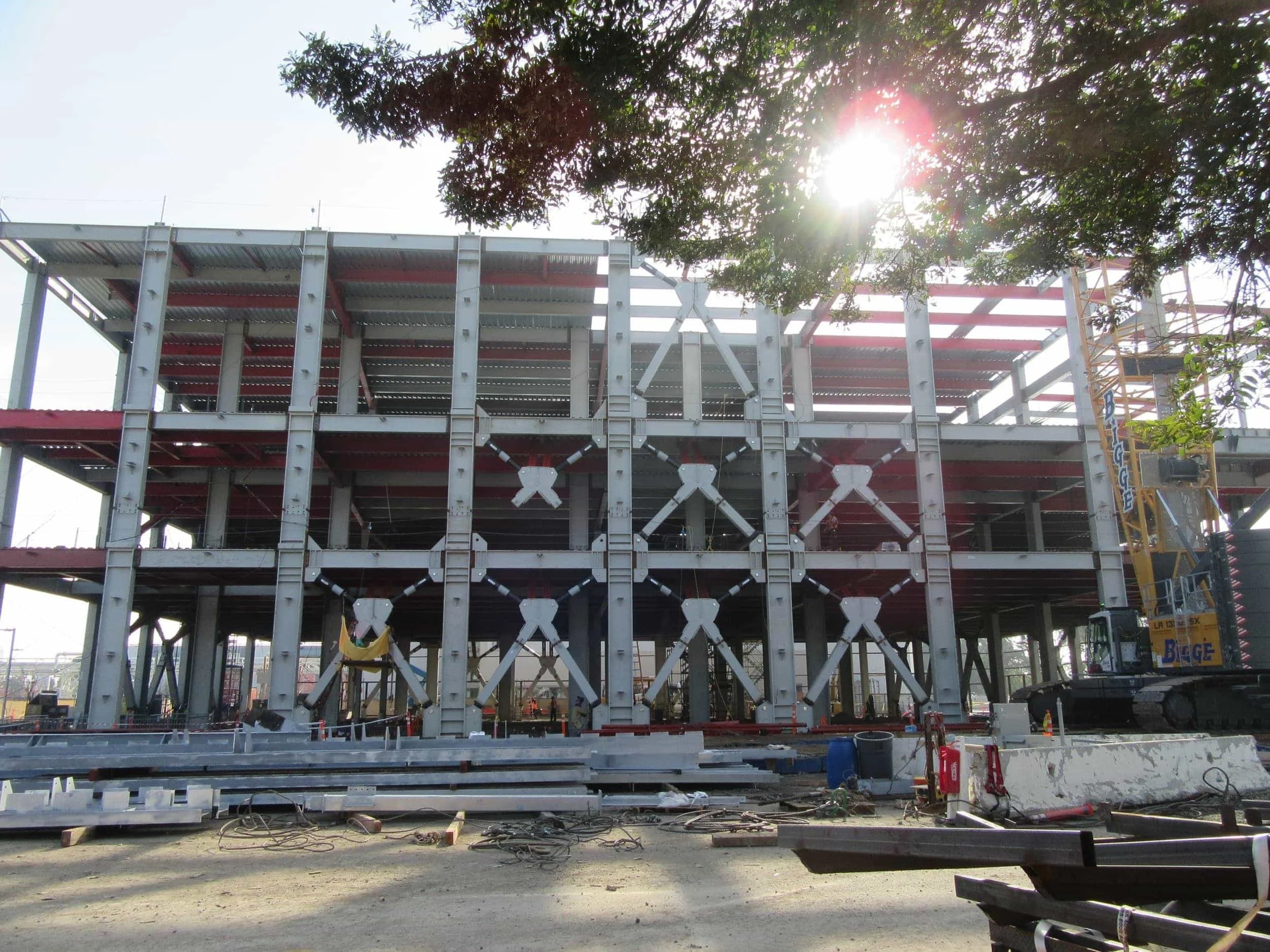
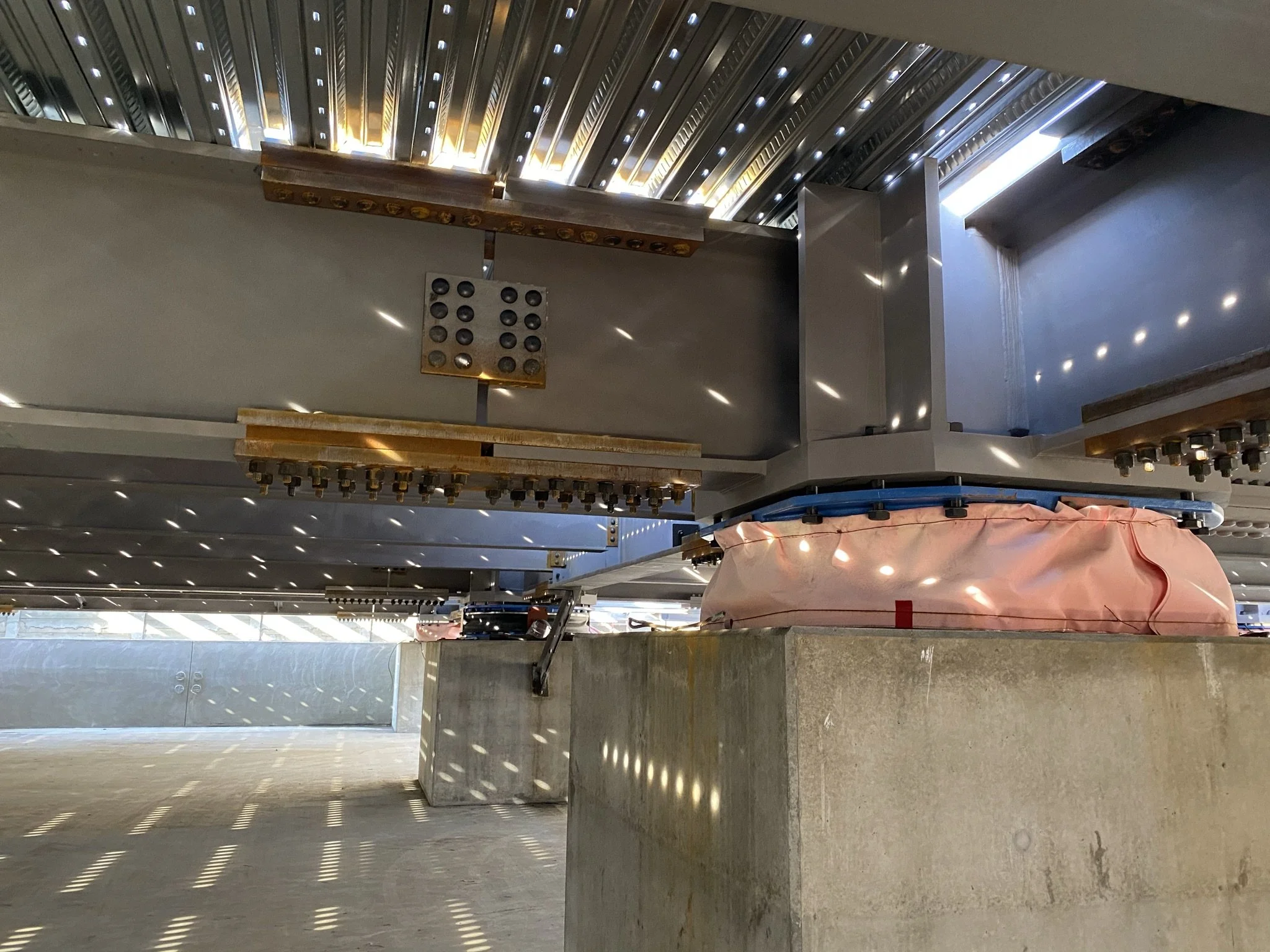
During the design of buildings using a PBD approach, we leverage advanced analytical tools like nonlinear time history analysis to better predict structural behavior. PBD approaches also often incorporate passive energy dissipation devices like Fluid Viscous Dampers or Base Isolation that can be optimized for specific site hazards and a project’s performance objectives.

Our approach to performance-based design starts with collaborative conversations with building owners, end users, and the other design disciplines to identify design priorities for the building – maintaining critical operations, minimizing repair costs or down time following a seismic event, protecting valuable building contents, or ensuring life safety under extreme events. This leads to measurable performance targets for different hazard levels allowing the design to focus on outcomes rather than prescriptive rules. We can often identify innovative design strategies that provide better value to our clients while providing a structure that performs in a way that more closely meets the owner’s needs.